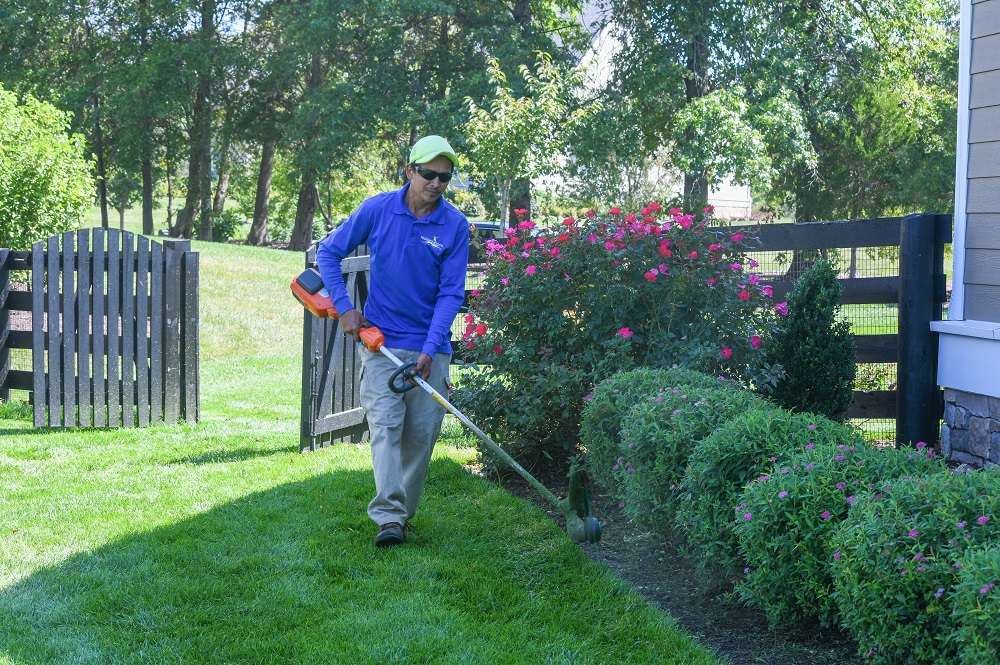
Effective landscape care is a vital component of maintaining the aesthetic and functional value of commercial properties. Whether it's an office park, retail space, or industrial complex, well-maintained landscaping enhances curb appeal, increases property value, and contributes to a positive impression for visitors and clients. Implementing a robust ongoing landscape care program can seem daunting, but with proven strategies in place, it becomes manageable and effective.
Understanding the Importance of Ongoing Landscape Care
Routine landscape maintenance extends beyond mere aesthetics. It plays a significant role in environmental sustainability, health safety, and resource management. For instance, properly managed landscapes can reduce soil erosion, manage stormwater runoff, and improve air quality through enhanced greenery. Additionally, regular maintenance helps to mitigate pest infestations and diseases that could threaten both plant health and human safety.
The benefits of ongoing care become even more apparent when considering the long-term value it brings to commercial properties. A well-maintained landscape not only draws potential tenants or customers but also fosters a productive environment for employees. Research indicates that green spaces can enhance mood and productivity while reducing stress levels among staff.
Components of an Effective Landscape Maintenance Program
Creating proactive landscape maintenance strategies a successful landscape maintenance program requires careful commercial landscape maintenance programs planning and execution. Here are essential components that help ensure its effectiveness:
1. Customized Maintenance Plans
Every commercial property has unique needs based on its location, climate, plant selection, and usage patterns. A one-size-fits-all approach rarely yields optimal results. Tailoring maintenance programs to fit specific requirements allows property managers to address distinct challenges effectively.
For example, properties in arid climates may prioritize drought-resistant plants and irrigation systems designed for water conservation. Conversely, areas prone to heavy rain might focus on drainage solutions to prevent flooding.
2. Regular Assessments
Conducting routine assessments of the landscape enables property managers to identify issues before they escalate into major problems. Seasonal evaluations should include inspections of plant health, irrigation efficiency, weed control measures, and overall design integrity.
These assessments provide valuable data that inform necessary adjustments to maintenance schedules or techniques. For instance, if certain plants consistently show signs of stress during summer months despite sufficient watering, it may be time to reconsider their suitability for the locale.
3. Scheduled Maintenance Services
Establishing a schedule for services like mowing, pruning, fertilizing, and mulching creates consistency in care while ensuring that tasks are completed at optimal times throughout the year. Many commercial properties benefit from weekly or biweekly visits during peak growing seasons.
Additionally, incorporating seasonal services—such as spring planting or fall cleanup—ensures that landscapes remain vibrant year-round while also preparing them for seasonal changes.
4. Preventative Care Practices
Investing in preventative landscape maintenance reduces long-term costs associated with landscape deterioration or emergency repairs due to neglect or unforeseen issues. This can include proactive measures such as soil testing to monitor nutrient levels or implementing integrated pest management strategies that focus on prevention rather than reaction.
For instance, applying organic mulch not only enhances appearance but also aids in moisture retention while suppressing weed growth—further reducing the need for chemical herbicides.
5. Professional Expertise
Employing experienced professionals in grounds maintenance ensures high standards are met consistently across all aspects of landscaping care. From horticulturists who understand local plant species' needs to arborists skilled in tree care practices—having experts involved can make a significant difference in achieving desired outcomes.
Furthermore, using full-service landscape maintenance companies can streamline operations by providing integrated services under one roof—thus reducing communication barriers between different service providers.
The Business Case for Ongoing Landscape Care Programs
Investing in ongoing landscape care programs delivers tangible benefits over time that go beyond immediate visual improvements:
- Enhanced Property Value: Properties with well-maintained landscapes often command higher market values compared to those lacking attention. Reduced Operational Costs: Effective maintenance can prevent costly repairs down the line by addressing issues early. Attracting Tenants: Commercial spaces with inviting outdoor environments attract potential tenants at higher rates. Sustainability Goals: Landscapes designed with sustainability in mind align with increasing consumer demand for environmental responsibility among businesses. Employee Satisfaction: Green spaces contribute positively to workplace morale—a factor increasingly recognized by employers aiming to retain talent.
Creating Long-Term Partnerships Through Contracts
Establishing long-term contracts with professional landscape service providers can enhance consistency while allowing businesses to budget effectively over extended periods without sudden cost fluctuations associated with ad-hoc services.
Landscape maintenance contracts typically vary based on factors such as scope of work required (i.e., mowing versus irrigation management) and frequency of service delivery (e.g., monthly versus weekly). Tailoring these agreements ensures both parties understand expectations clearly from the outset—reducing misunderstandings down the line.
For instance:
- Annual Plans: These encompass all necessary tasks throughout the seasons—from spring planting through winter preparation. Monthly Services: Focused on routine tasks such as lawn care or edging—which may vary based on seasonal needs. Customized Options: Allow flexibility depending on specific client requirements; some may prefer comprehensive plans while others opt for targeted services only when needed.
Fostering strong communication between property managers and service providers facilitates transparency regarding performance metrics; this accountability ultimately leads toward improved outcomes over time as both parties work collaboratively toward shared goals.
Final Thoughts on Effective Landscape Management
Implementing an effective ongoing landscape care program is not merely about maintaining appearances; it encompasses strategic planning aimed at fostering resilience within commercial environments while maximizing benefits derived from natural ecosystems around us.
By prioritizing customized plans tailored towards unique site characteristics combined with preventive measures backed by experienced personnel—we pave pathways toward flourishing landscapes capable of enhancing our built environments sustainably over many years ahead!
In summary—recognizing these interconnected elements will guide stakeholders toward realizing lasting success within their respective landscapes—a journey worth undertaking together!